
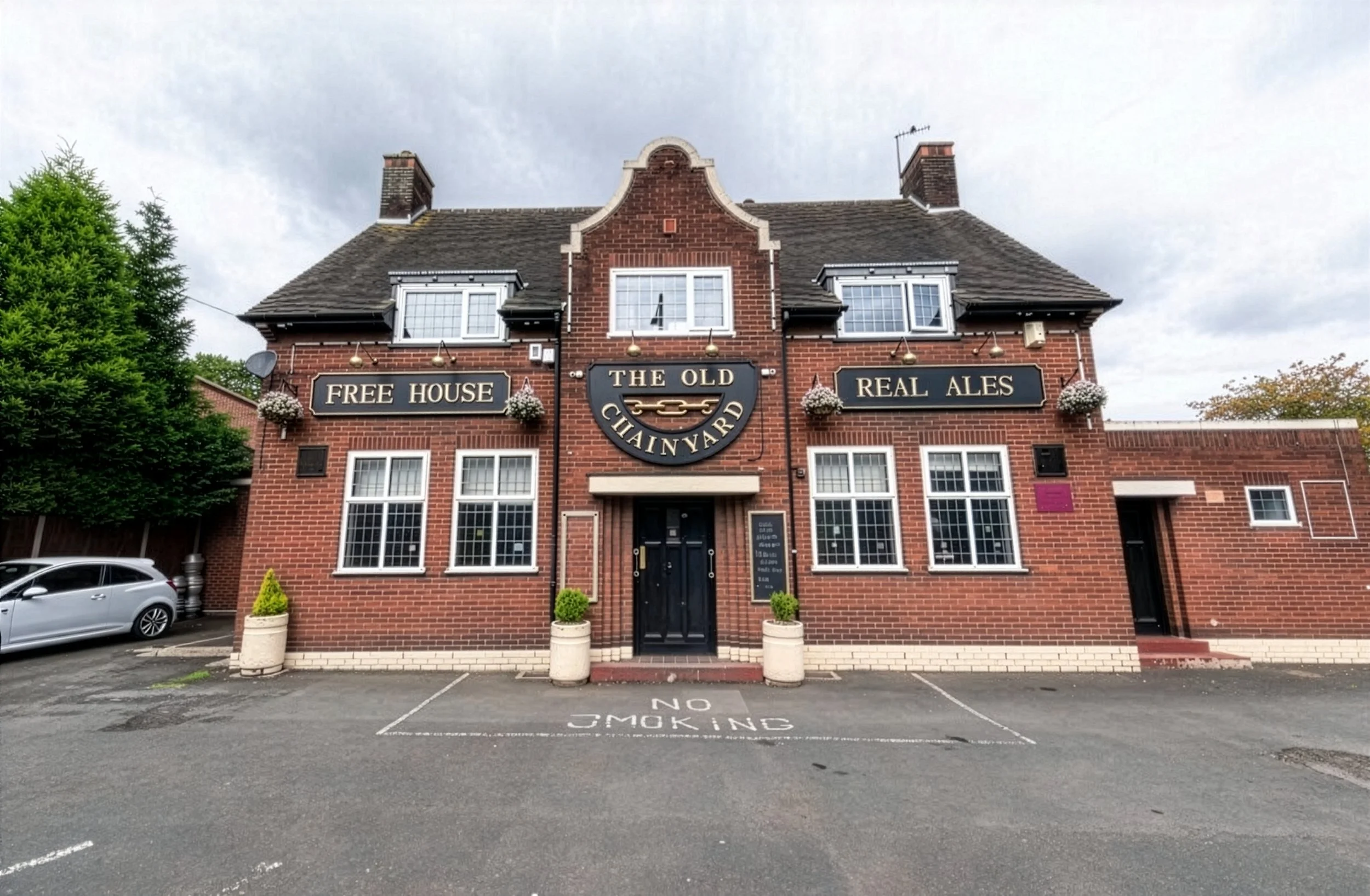
Old Chainyards, Bilston
The project involved identifying an opportunity to repurpose the underutilised Old Chainyard in Dudley into a viable commercial use that would support both local retail provision and the long-term future of the building. The proposal focused on the conversion of the site into a convenience store, providing an active and sustainable new use for the property while contributing to the local economy and community needs.
The initial planning application was refused due to concerns relating to the impact on a non-designated heritage asset, highways matters including servicing, access and parking arrangements, and the perceived loss of the former public house use. Following a detailed review of the reasons for refusal, it was identified that there was a strong basis to pursue an appeal supported by robust technical evidence and a comprehensive heritage case.
A full appeal was subsequently prepared and successfully allowed, overturning the Council’s refusal. The appeal strategy adopted a clear, evidence-led and policy-aligned approach that comprehensively addressed all key issues raised by the Local Planning Authority. Heritage enhancements formed a central part of the proposal, including the removal of an unsympathetic extension, the introduction of a sensitive rear addition, and the reinstatement of first-floor access. These interventions were recognised by the Inspector as preserving and enhancing the historic character and significance of the building.
Highways concerns were addressed through detailed technical evidence including a Road Safety Audit, parking surveys, servicing assessments, and Traffic Regulation Order evidence, all of which demonstrated that the development could operate safely with no technical justification for refusal. The appeal process maintained a strong focus on material planning considerations and successfully rebutted a number of unsubstantiated concerns raised during the application process.
The successful appeal secured planning permission for a previously refused development, enabling the viable reuse of a heritage asset and safeguarding its long-term future. In addition to delivering heritage enhancements that improved the building’s character and setting, the scheme provided a new convenience store supporting local needs and economic activity. The project demonstrates the effectiveness of a robust and evidence-based planning strategy in overcoming unfounded planning objections and unlocking sustainable redevelopment opportunities.